NR/OBRENOVIC
The Obrenović
Savka Obrenović, daughter of Prince Miloš, married Jovan Nikolić in 1831. Her sons Fedor and Mihajlo were nephews of Prince Mihailo and shared in his inheritance.
Table C: the Obrenović family and the Nikolić of Rudna
Prince Miloš Obrenović and Princess Ljubica, their children, and the sons of their daughter Savka and Jovan (VII) Nikolić. The manuscript’s own Table C, which covers seven generations, is lost; this archive redraws the part that matters here from Wikipedia, the Noblesse & Royautés article and Marcov (2011). Fedor, outlined, was Prince Mihailo’s nephew.
Swipe sideways to follow the whole chart.
- Descent
- Marriage
- Adoption
- Rise in rank (year)
- Estate (year)
- * born · † died
The same chart as a list
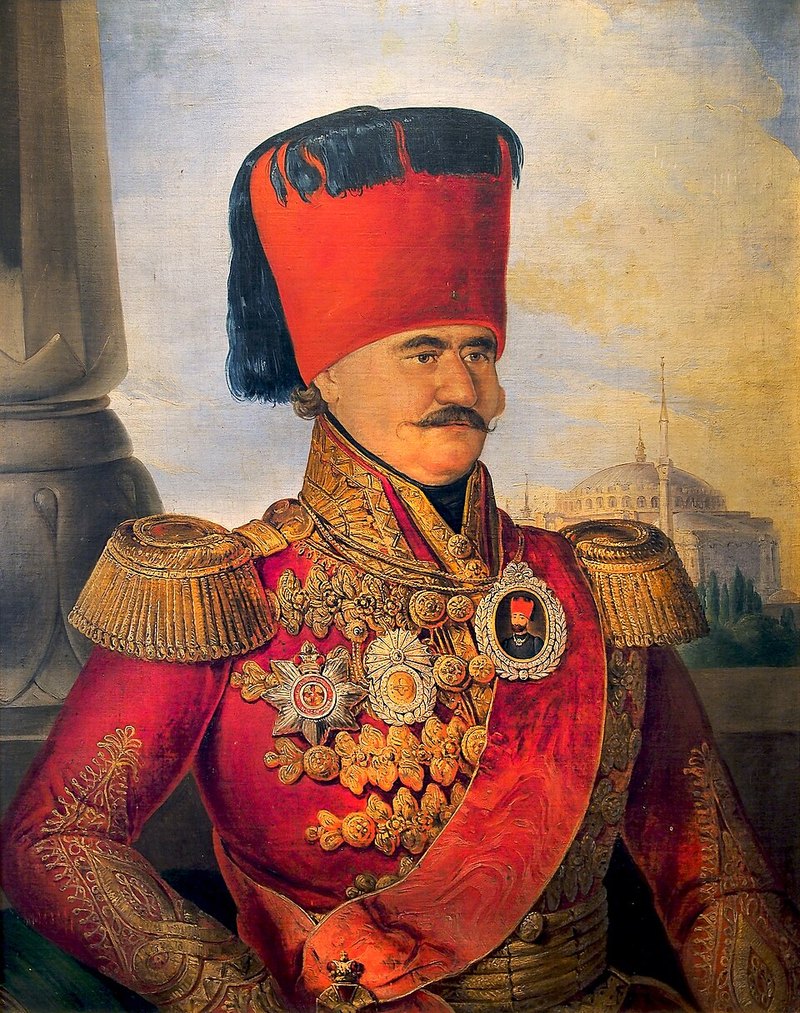
- Prince Miloš (1780–1860) — Rank 1815 (Prince of Serbia 1815–39 and 1858–60).
- Married to: Princess Ljubica (1788–1843). Children:
- Petrija (1808–1870).
- Married to: Todor Bajić. Of Varadija; married Petrija in 1834.
- Savka (1814–1848).
- Married to: Jovan (VII) (1810–1880). Children:
- Miloš Nikolić (1833–1863).
- Fedor (1836–1903) — Rank 1854 (Austrian barony). Nephew of Prince Mihailo.
- Mihajlo (1841–1916).
- Married to: Jovan (VII) (1810–1880). Children:
- Prince Milan II (1819–1839).
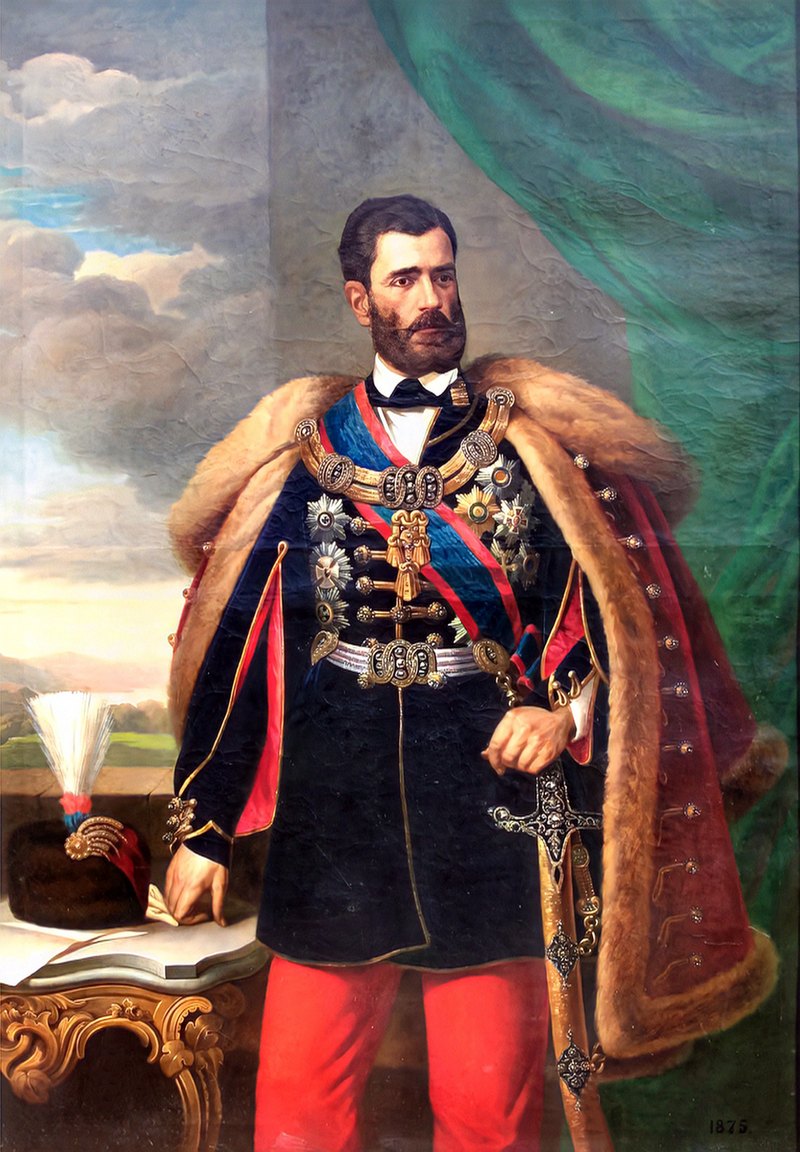
- Prince Mihailo (1823–1868) — Rank 1839 (Prince of Serbia 1839–42 and 1860–68). Had no children.
- Married to: Countess Júlia Hunyady (1831–1919).
- Died young: Marija † 1830, Todor, Gabriel. Marija (born and died in 1830), Todor and Gabriel died young.
- Petrija (1808–1870).
- Married to: Princess Ljubica (1788–1843). Children:
Miloš and Ljubica
Prince Miloš Obrenović (1780–1860) ruled Serbia in 1815–39 and again in 1858–60. In 1805 he married Ljubica Vukomanović (1788–1843). The lists name seven children: Petrija (born 1808, or 1810 in one source, C17), Savka (1814–1848), Milan (1819–1839) and Mihailo (1823–1868) lived to adulthood; Marija, Todor and Gabriel died young.
Savka
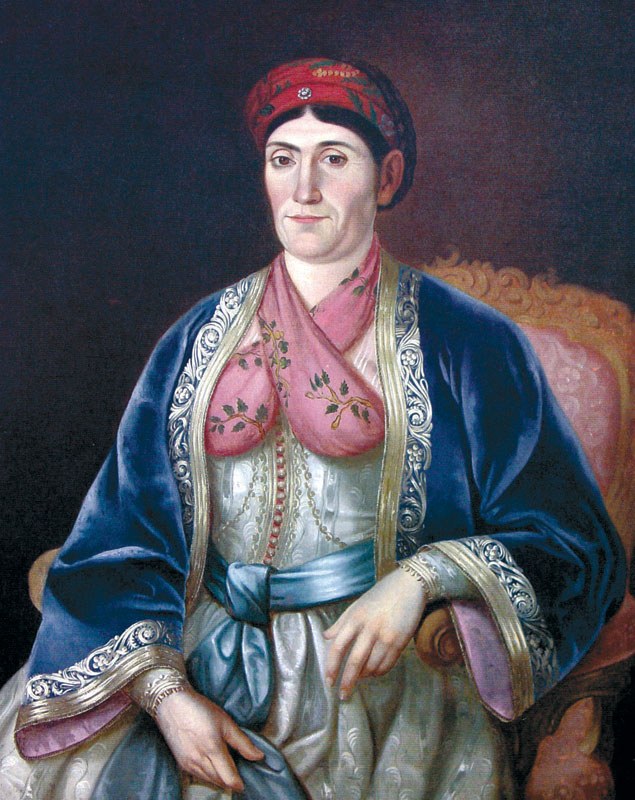
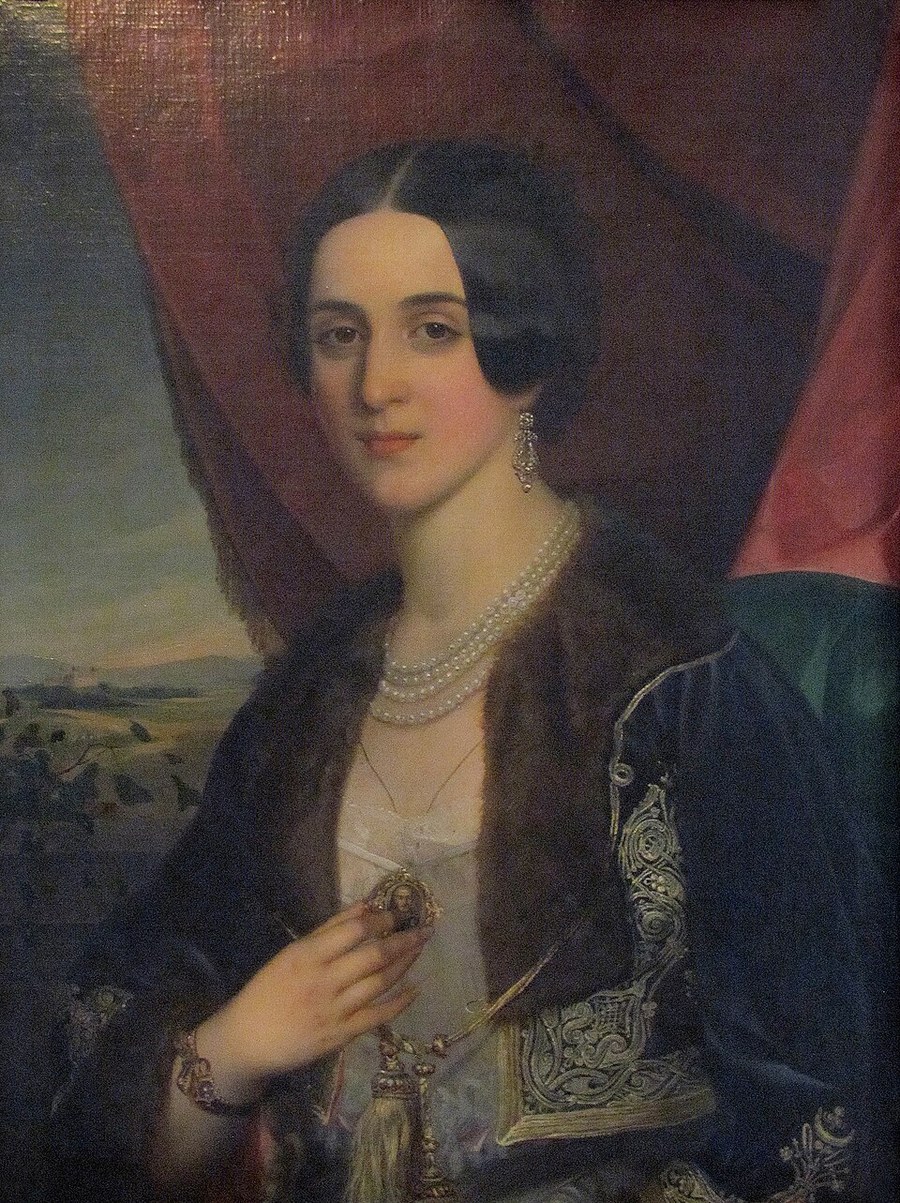
Jelisaveta “Savka” Obrenović, born in 1814 (1816 and 1818 in other sources), married Jovan Nikolić (VII) on 16 October 1831. She died on 5 October 1848 — 23 September in the Julian calendar — when her son Fedor was twelve. Miklós Barabás painted her portrait in 1845.
Fedor, nephew of the prince
Prince Mihailo Obrenović, Savka’s brother and so Fedor’s uncle, was assassinated in Belgrade on 10 June 1868. Fedor and his father, Baron Jovan, arrived there on 12 June.
Mihailo had married Júlia Hunyady in 1853 and left no children. His property in Romania was divided among his heirs, among them Fedor, Mihajlo and the Bajić barons, after they had come to terms with the prince’s widow: the agreement was made at Bucharest on 8 June 1873. Júlia Hunyady married Duke Karl of Arenberg in 1876, and the 1903 obituary of Fedor calls her “Princess Arenberg”.
The Konak of Princess Ljubica
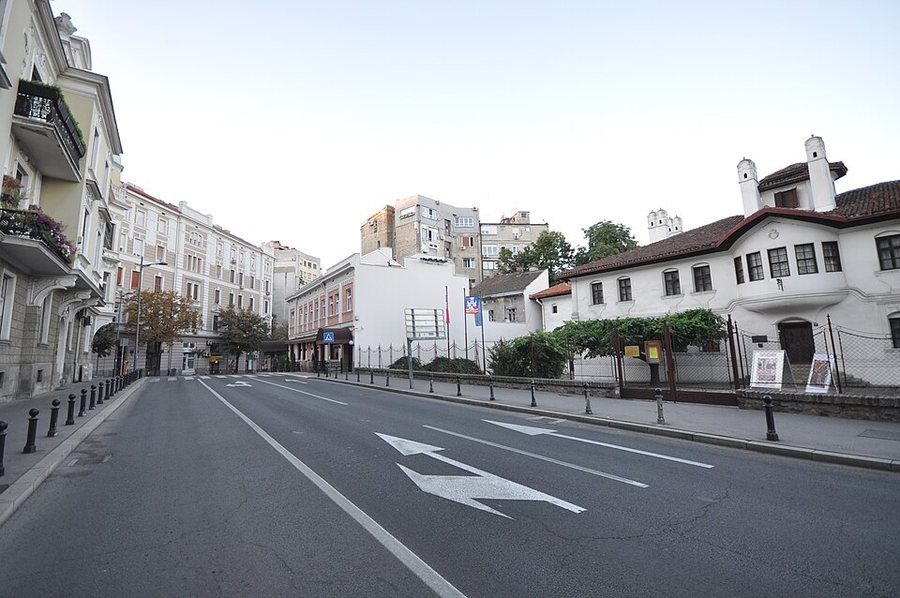
The Residence (Konak) of Princess Ljubica in Belgrade was begun in July 1829 and finished in the late autumn of 1830; one article says 1831. Its builder was Hadži Nikola Živković, and it was built for Ljubica and her sons Milan and Mihailo. The Belgrade Lyceum was housed there in 1846–63, and later a school, a court and museums. It was restored in 1971–79, belongs to the Belgrade City Museum and is a Monument of Culture of Exceptional Importance.
The Bajić connection
Petrija, the eldest of the children, married Todor Bajić of Varadija in 1834. The family manuscript promises a table that would show the reader’s kinship with the former royal line and “the double kinship with the Bajić family”; the table is lost, and the text does not say how the kinship was double.
Ties at court
In October 1882 King Milan I conferred the Grand Cross of the Order of Takovo on Fedor in Belgrade. In Sarajevo, where Fedor was Civil Adlatus, his kinship with the Serbian royal house was a social asset. When he died in 1903 the Belgrade court was told by telegraph, and King Alexander I Obrenović of Serbia sent his condolences.
The end of the dynasty
The family manuscript was written after 1903 and speaks of the Obrenović as the “former” royal line. This archive makes no further claim about the dynasty’s fall.
Serbian Wikipedia describes Fedor as a pretender to the Serbian throne. None of Marcov (2011), Markov and Glăvan (2021) or English Wikipedia mentions a claim, and this archive does not repeat it.