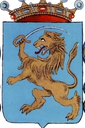
Archive of a Serbian noble family of the Banat
Nikolić de Rudna
Николић од Рудне
Virtutum nexu“Bound by virtue” — the motto of the baronial arms
A Serbian noble family of the Banat: its 1694 grant of arms, the estate of Rudna and its ties to the princely House of Obrenović — with the source of every claim and the places where the sources disagree.
The family at a glance
- Name
- Nikolić de Rudna. In Serbian, Николић од Рудне; in Hungarian records, rudnai Nikolics. The form registered in France today is Nikolic de Rudna.
- Origin
- A Serbian Orthodox family, one of the most prominent Serbian families in Hungary in the words of the 2021 paper. Its earlier origin is an open question.
- Nobility
- Hungarian nobility with arms (an armales), granted by King Leopold I on 26 March 1694. An Austrian barony in 1854. A Hungarian barony for Fedor, in 1875 or 1886.
- Seat
- Rudna, in the Banat — today a village in Timiș County, Romania. The family bought the estate in 1782.
- Other holdings
- Macedonia, an estate bought in 1825 (today a village of Ciacova); a town house in Timișoara; and estates in Romania that came to Fedor in 1873 from the division of Prince Mihailo Obrenović’s property.
- Arms
- A golden lion holding a sabre on a blue field. The baronial arms add the motto Virtutum nexu.
- Ties
- The princely House of Obrenović. In 1831 Jovan Nikolić (VII) married Savka, daughter of Prince Miloš Obrenović of Serbia; their son Fedor was a nephew of Prince Mihailo.
- This archive covers
- The family from 1694 to 1919, its estates, and its ties to the House of Obrenović — and only members who are deceased and who appear in the published record.
Four ways in
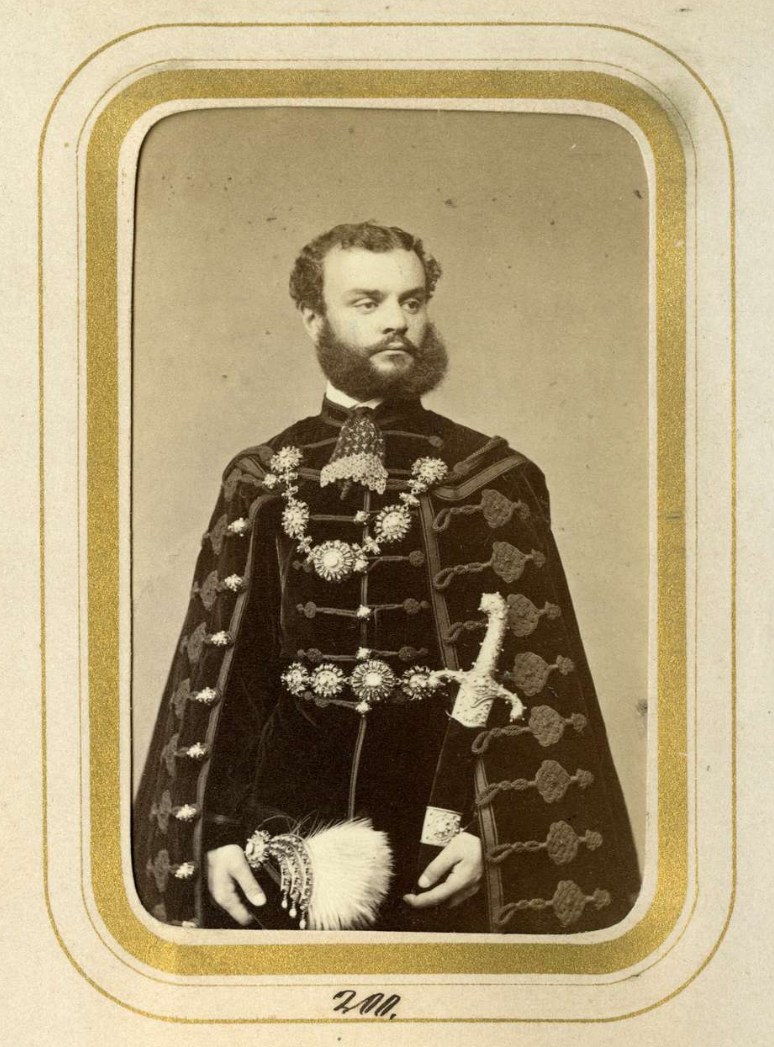
The family
From the grant of arms in 1694 to 1919: who was who, and the dates the sources give.
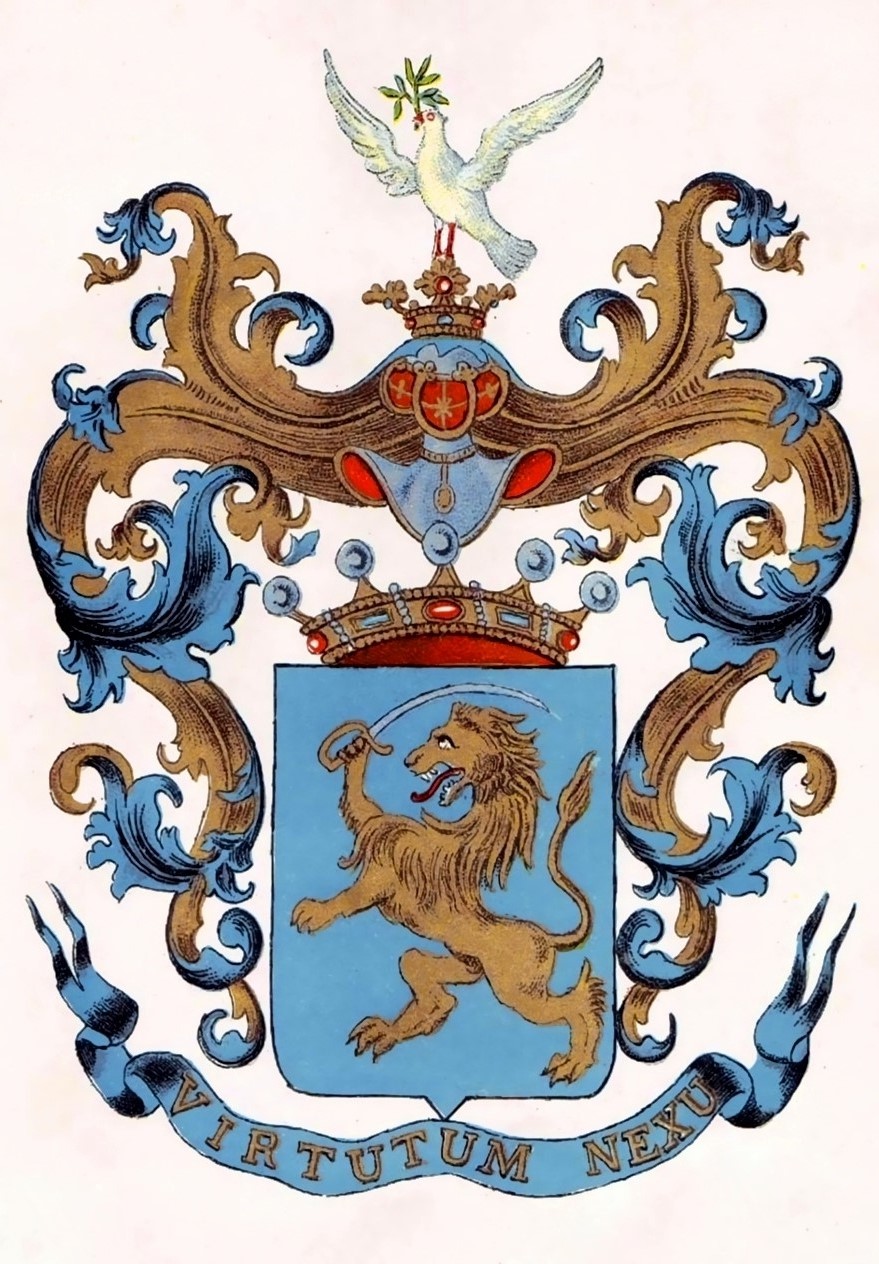
The arms
The baronial arms, point by point: what the plate shows and what the sources say.
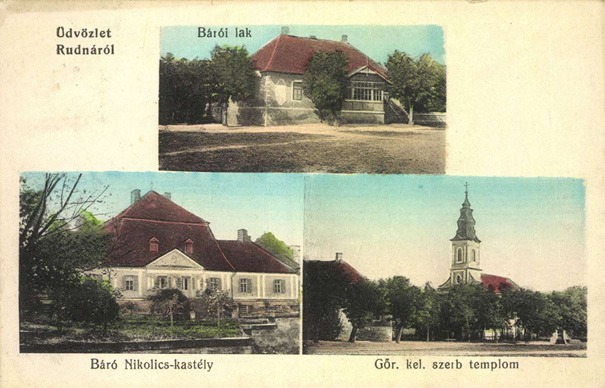
The estates
Rudna, Macedonia and the house in Timișoara, on a map and in old views.
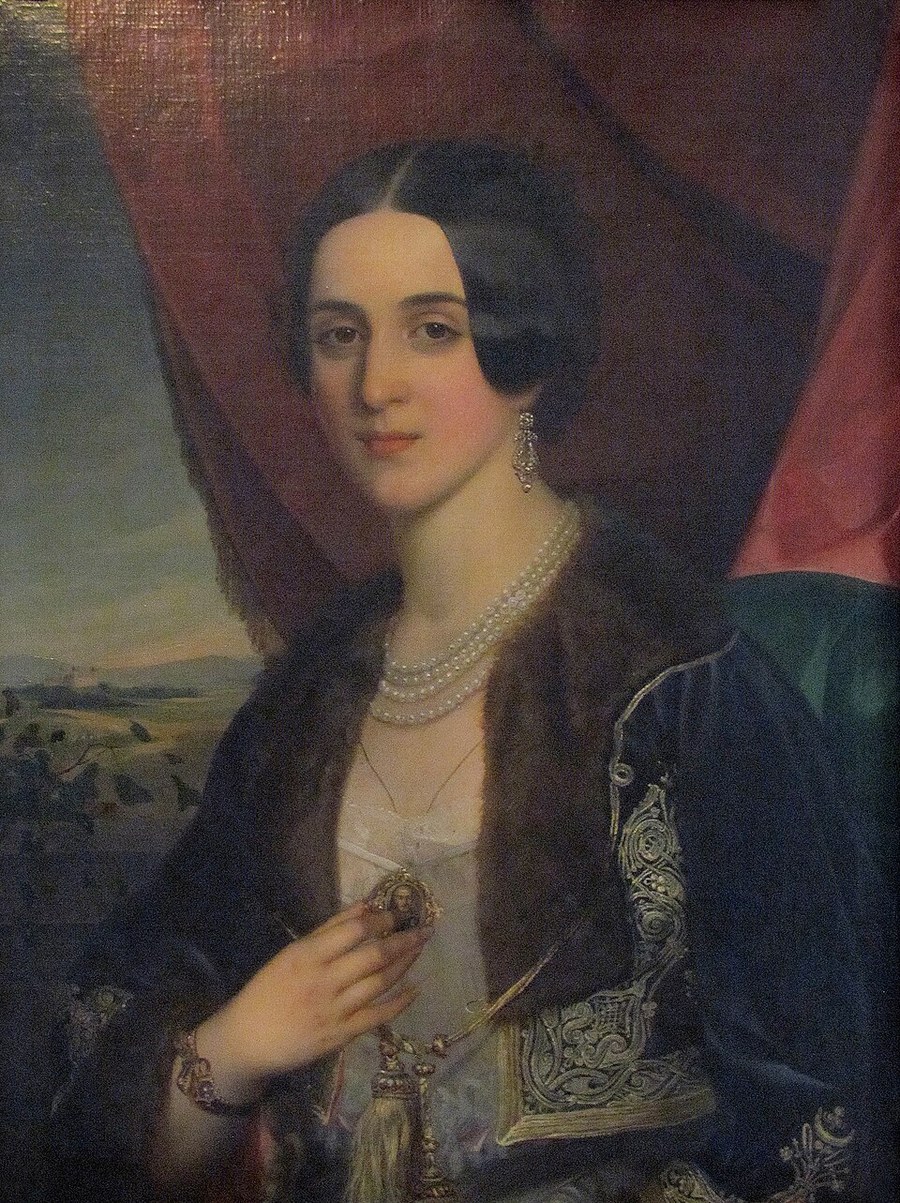
The Obrenović
How a Banat family became kin to the princes of Serbia: Miloš, Ljubica, Savka and Mihailo.
Nine dates
- 1694RankKing Leopold I grants the Nikola brothers Hungarian nobility with a coat of arms.
- 1782EstateJovan Nikolić buys the Rudna estate.Sources differ C3
- 1804RankThe adopted Jovan Belčić receives Rudna, the nobility and the name Nikolić.
- 1831MarriageJovan Nikolić marries Savka, daughter of Prince Miloš Obrenović.
- 1854RankAn Austrian barony for Jovan Nikolić and his sons.Sources differ C1
- 1882OfficeFedor becomes Civil Adlatus of Bosnia and Herzegovina.
- 1903DeathBaron Fedor is buried at Rudna before about 4,000 mourners.
- 1919EstateLocal press: the baron’s son sells the Rudna manor and settles in France.Reported only
- 2002EstateA German couple buy the Rudna manor and begin to restore it.Reported only
How sure are we?
Every statement in this archive carries its sources in the margin. Where the sources disagree, or rest on a single weak report, a mark says so — and the archive does not smooth the difference over.
- Sources differ
- Two or more sources give different readings. The page shows the reading the archive works with, and the register row that sets them side by side.
- Reported only
- The statement rests on a single press, tourism or compilation source, or has not been verified.
- Open question
- The sources do not settle the point. The question is listed on the Sources page and is answered nowhere else.
- Documents held, not published
- The compiler holds civil records that bear on the statement. They are not published, because they name living people.
The family’s story is told here to 1919. Later generations kept their genealogy private, so the archive records only members of the family who are deceased and who appear in the published record.